
Meet our Team
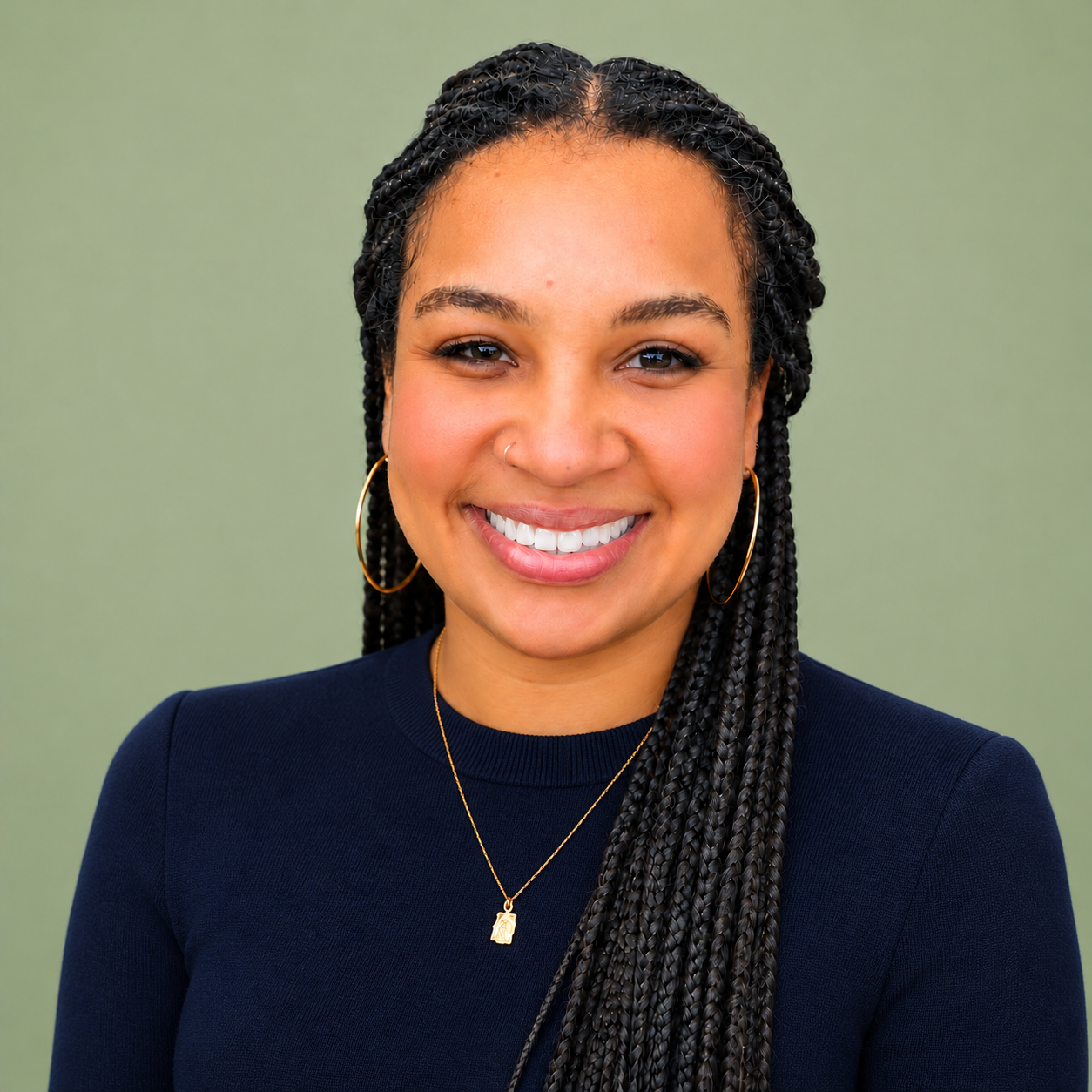
Co-Founder | Transformative Leadership & Pedagogy of Love
Betsy C. Romero is a bilingual Montessori educator, educational leader, and consultant with over 16 years of experience in public education. Her perspective is shaped by her journey from the Bronx to Honduras and Washington, DC, her experiences as the daughter of immigrants, and her belief that education can serve as a pathway toward liberation. Her work explores how educational leaders can cultivate school communities grounded in love, equity, accountability, and a shared responsibility for human development.
At the foundation of Betsy's philosophy is the work of Dr. Maria Montessori, whose understanding of the prepared adult, human development, and education for peace has profoundly influenced her approach to teaching and leadership. She believes that the environments children experience are inseparable from the adults who create and sustain them. For Betsy, the preparation of the adult extends beyond professional knowledge and instructional practice. It requires self-awareness, humility, critical reflection, and a willingness to examine how personal beliefs, institutional expectations, and power shape the experiences of others.
Her thinking is further informed by Paulo Freire's critical pedagogy and bell hooks' understanding of love as an ethical and liberatory practice. Their work has deepened her conviction that education is not neutral and that meaningful transformation requires both critical consciousness and action. These perspectives inform her developing philosophy of Armored Love, an approach to educational leadership that recognizes love as a deliberate practice of courage, compassion, and accountability. Armored Love challenges the notion that care and high expectations are competing responsibilities. Instead, it asks leaders to confront injustice without abandoning humanity, hold people accountable without compromising dignity, and recognize that meaningful relationships are essential to sustainable change.
Betsy's work focuses on the relationship between adult development, school culture, and equitable educational systems. Drawing from her experience in Montessori education, professional learning, restorative practices, and school leadership, she examines how the beliefs and decisions of adults become the lived experiences of children, families, and educators. She is particularly interested in the space between what schools believe about children and what their daily practices make possible, and in how leaders can bridge that divide through reflection, collective responsibility, and intentional action.
As Co-Founder of Ethos Consultancy, Betsy partners with schools and educational leaders to strengthen leadership practices, cultivate cultures of belonging, and develop systems that reflect their commitments to equity and human dignity. Her approach brings together Montessori philosophy, liberatory pedagogy, and practical leadership experience, recognizing that sustainable transformation requires more than changes in policy or practice. It requires adults who are willing to examine themselves, challenge inherited assumptions, and take responsibility for the communities they serve.
At the heart of Betsy's work is a conviction that love without accountability cannot transform systems, and accountability without love cannot sustain humanity. Through Armored Love, she seeks to cultivate educational leaders who understand that leadership is not simply the exercise of authority, but a responsibility to protect human dignity, challenge injustice, and create the conditions in which every child and adult can thrive.
Betsy C Romero, MEd, MAED
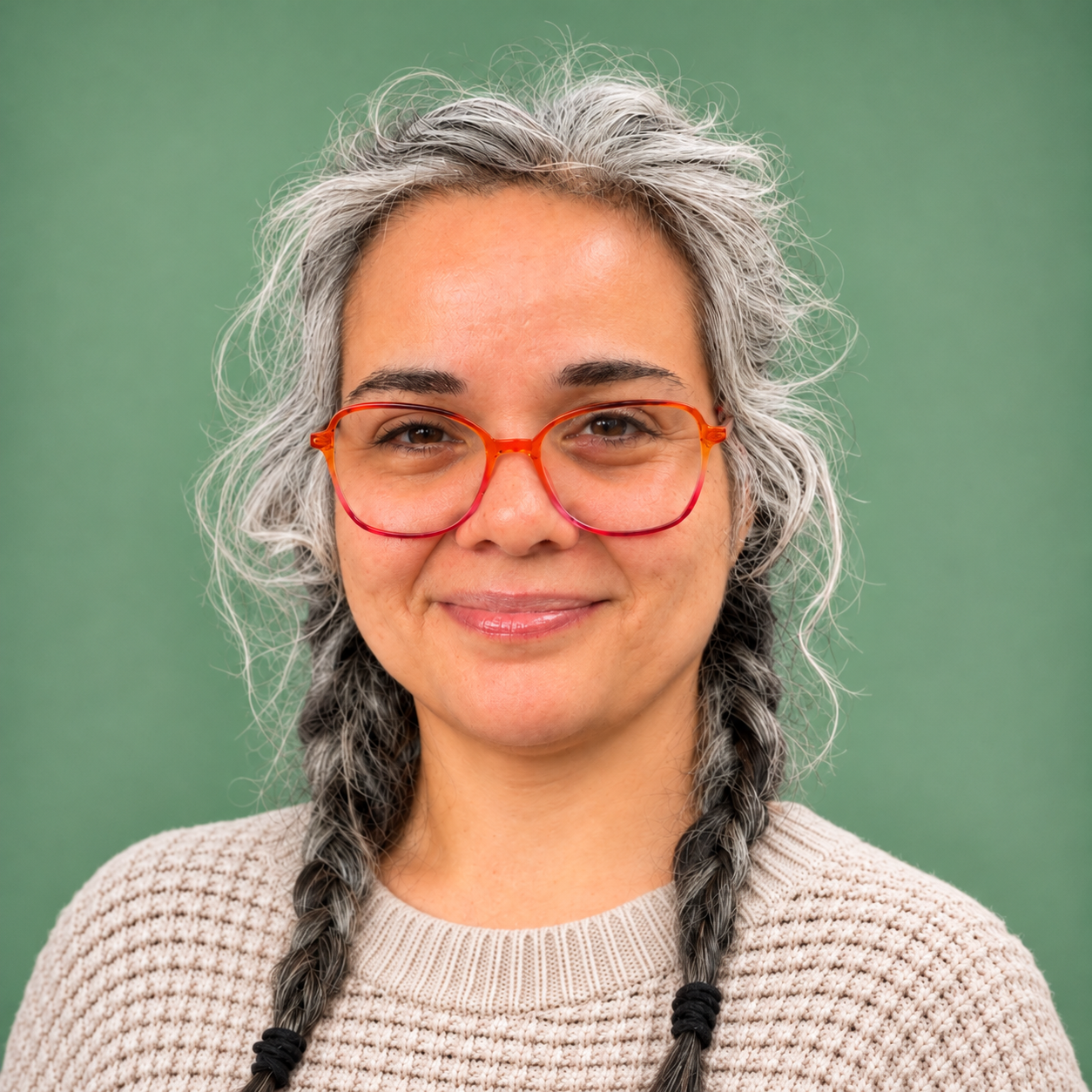
Co-Founder | Human-Centered Systems & Organizational Accountability
Tala Wagner is a Montessori educator, researcher, and consultant whose work explores how educational institutions can become more human-centered, equitable, and accountable to the communities they serve. With more than 20 years in education, she brings a perspective shaped by Montessori philosophy, Indigenous wisdom, educational research, and a deeply held belief in the responsibility people have to one another.
At the center of Tala's philosophy is the understanding that human development is inseparable from the environments in which it takes place. Drawing on Montessori's concept of the prepared environment, she extends this thinking to the adults and institutions responsible for children's education. Schools communicate their values through the relationships they cultivate, the expectations they establish, the knowledge they recognize, and the ways they respond when people struggle or circumstances change. For Tala, human-centered systems demand meaningful accountability, including an institution's willingness to examine whether its own structures support the people it holds responsible for its success.
Her thinking is deeply influenced by Indigenous understandings of interdependence, reciprocity, and collective responsibility. These perspectives inform her belief that belonging is fundamental to development and that communities carry responsibilities extending beyond individual achievement. People need to be known, to contribute, to make mistakes, to change, and to find their place among others. An organization committed to human development must make room for all of these experiences while maintaining clear responsibilities to the collective.
Tala's research examines how educational systems distribute opportunity, responsibility, and support. Her work in public Montessori education, educational policy, equity, and organizational continuity considers how institutional decisions become lived experiences for children, families, and educators. She is particularly interested in the space between what schools promise and what their structures make possible, and in how research can help communities recognize patterns, question inherited assumptions, and make more thoughtful decisions about the institutions they are building.
Her writing on grief, professional identity, and belonging has further shaped her understanding of the relationship between people and institutions. Through these experiences, she has explored what it means to be genuinely known within a community, how people continue to develop through profound change, and why care cannot depend entirely on individual resilience. This perspective informs her belief that accountability and compassion belong together, and that healthy organizations must be capable of supporting human complexity without abandoning their responsibilities.
As Co-Founder of Ethos Consultancy, Tala works to help educational communities develop the relationships, leadership practices, and organizational structures necessary to sustain their commitments. Her approach brings together research, lived experience, and a belief in the collective wisdom of communities, recognizing that meaningful change depends on the participation of the people whose lives and work are shaped by institutional decisions.
At the heart of Tala's work is a conviction that an institution's values are only as meaningful as the conditions it creates for people to live them. A truly human-centered organization holds itself to the same standards of care, reflection, responsibility, and growth that it expects of the people within it.